
House Valuation Toowoomba
Looking for a house valuation Toowoomba homeowners can use to understand their property’s potential market value? Explore local property prices, recent sales activity and housing statistics across Toowoomba’s suburbs. You can also request a free property appraisal from a participating local real estate agent.
Whether you’re considering selling, planning your next move or simply curious about your property’s current market value, our Toowoomba property information can help you understand the local market.
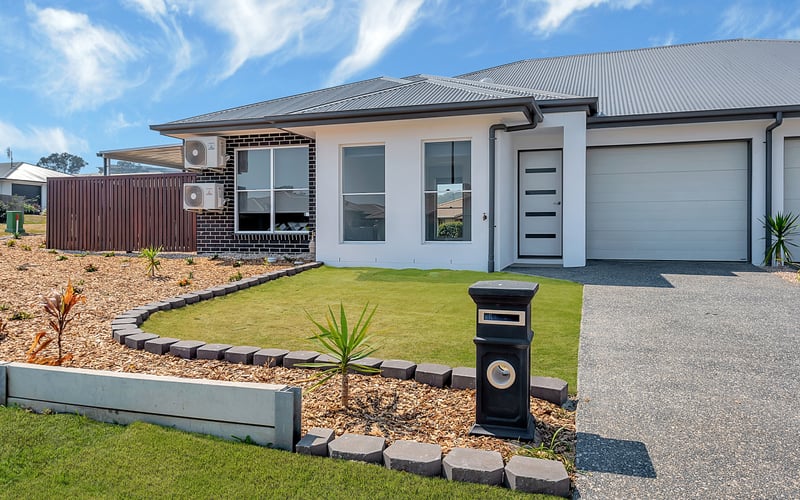
Toowoomba Property Market Overview
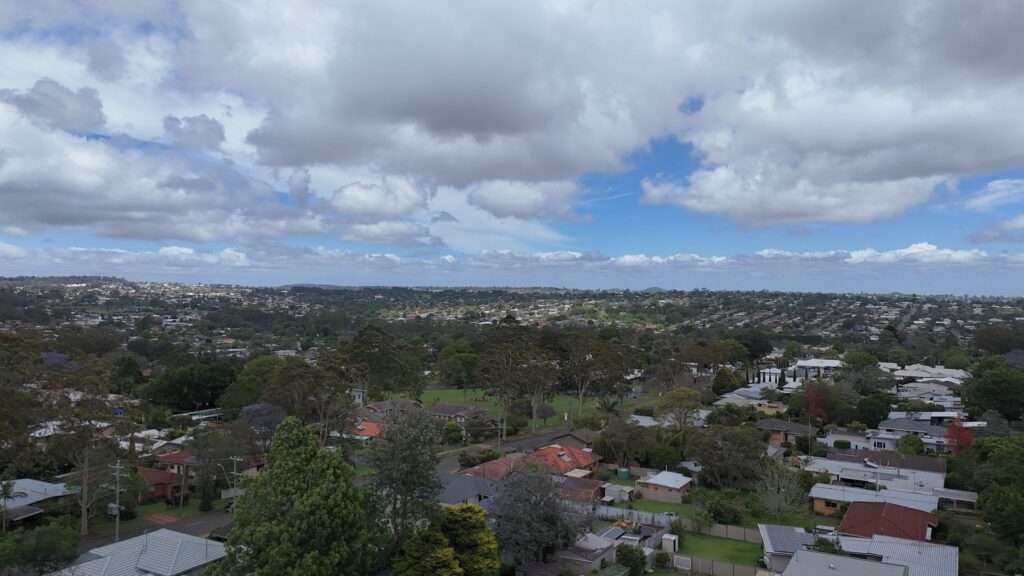
Understanding the Toowoomba property market is an important first step when estimating the value of your home. Property prices vary considerably across Toowoomba, with differences in location, land size, housing characteristics and buyer demand influencing sale prices.
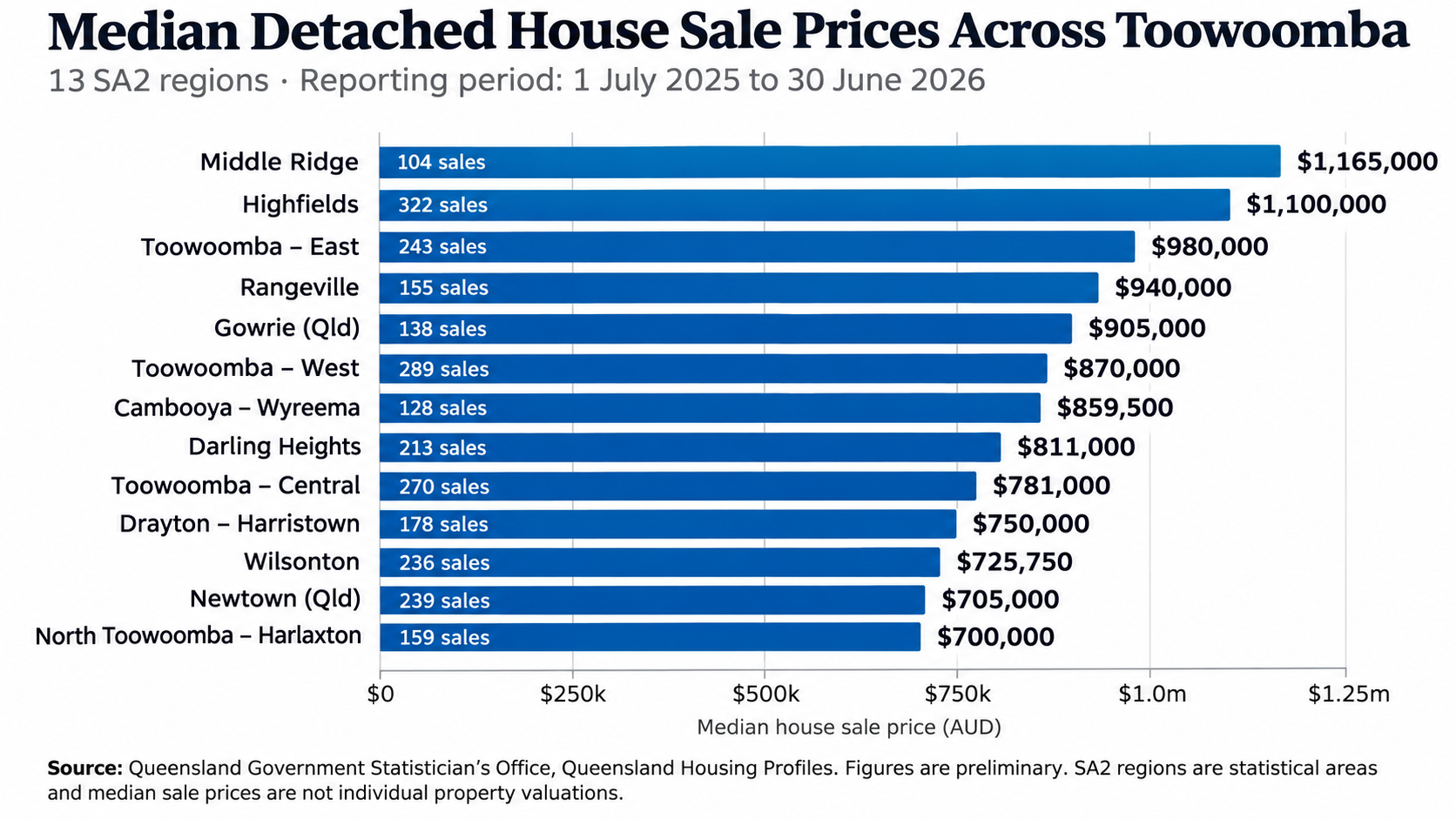
Our property market information draws on Queensland Government regional property sales statistics, including median house sale prices and sales volumes across 13 statistical regions covering Toowoomba and surrounding communities.
These figures provide useful insights into regional property trends but should not be treated as a valuation of an individual property.
Median House Prices Across Toowoomba
| SA2 Region | Median House Price | House Sales |
|---|---|---|
| Middle Ridge | $1,165,000 | 104 |
| Highfields | $1,100,000 | 322 |
| Toowoomba – East | $980,000 | 243 |
| Rangeville | $940,000 | 155 |
| Gowrie (Qld) | $905,000 | 138 |
| Toowoomba – West | $870,000 | 289 |
| Cambooya – Wyreema | $859,500 | 128 |
| Darling Heights | $811,000 | 213 |
| Toowoomba – Central | $781,000 | 270 |
| Drayton – Harristown | $750,000 | 178 |
| Wilsonton | $725,750 | 236 |
| Newtown (Qld) | $705,000 | 239 |
| North Toowoomba – Harlaxton | $700,000 | 159 |
Reporting period: 1 July 2025 to 30 June 2026. 13 of 13 configured SA2 regions shown.
Source: Queensland Government Statistician's Office, Queensland Housing Profiles. Figures are preliminary. SA2 regions are statistical areas, and median sale prices are not individual property valuations.
Median house sale prices vary considerably across Toowoomba and surrounding communities.
For the 12 months ending 30 June 2026, Middle Ridge recorded a median detached house sale price of $1,165,000 across 104 sales, while Highfields recorded $1,100,000 across 322 sales.
At the other end of the regional comparison, North Toowoomba–Harlaxton recorded a median of $700,000 across 159 detached house sales, while Newtown recorded $705,000 across 239 sales.
The difference between Middle Ridge and North Toowoomba–Harlaxton was $465,000. However, these figures describe different groups of properties sold within each SA2 region. They do not establish how much more one comparable house would be worth in one location than another.
Factors such as land size, property condition, renovations, construction quality, location and recent comparable sales all contribute to an individual property’s estimated market value.
About Toowoomba
Toowoomba is one of Queensland’s major regional cities, situated on the Great Dividing Range in the Darling Downs region of southern Queensland. Known for its established residential neighbourhoods, parks, gardens and regional services, the city offers a combination of urban amenities and access to surrounding rural communities.
The city serves as an important centre for education, healthcare, retail, business and employment. Its residential areas range from established inner-city neighbourhoods and heritage housing to newer estates and growing communities on the city’s outskirts.
Toowoomba’s Location and Geography
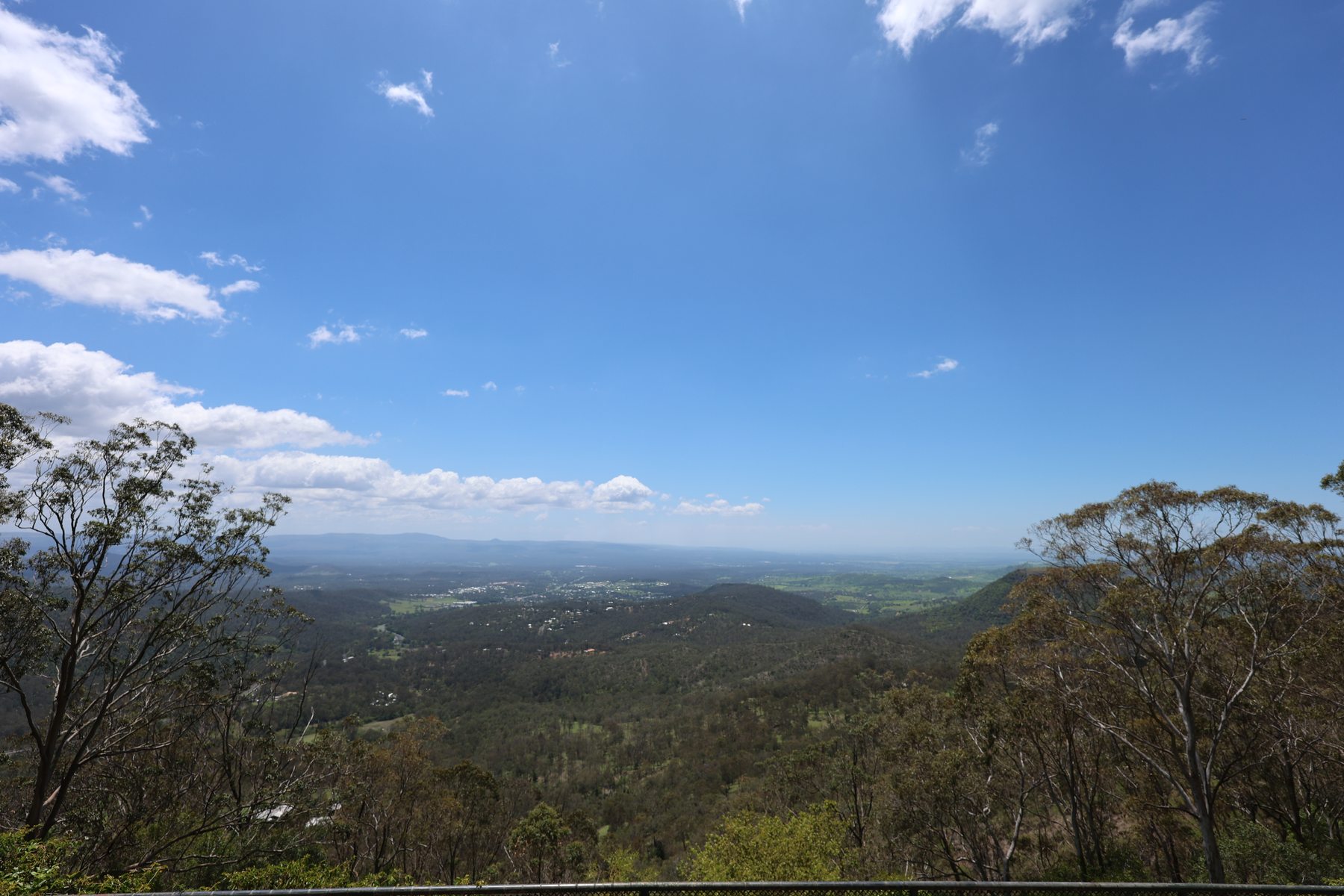
Toowoomba’s Location and Geography
Toowoomba is situated on the crest and western slopes of the Great Dividing Range, overlooking the Lockyer Valley to the east and extending towards the Darling Downs to the west. Its elevated position distinguishes it from many other Queensland regional centres and contributes to its cooler climate, distinctive landscape and established garden culture.
The city’s geography also influences its residential development. Established suburbs such as East Toowoomba, Rangeville and Middle Ridge occupy different parts of the urban landscape, while areas including Highfields and surrounding communities form part of the broader residential growth corridor. Differences in elevation, terrain, access routes and land characteristics contribute to the variety of residential environments found across the region.
Toowoomba’s History and Residential Development
Toowoomba’s History and Residential Development
Toowoomba developed as a regional settlement during the nineteenth century, growing into an important commercial and agricultural service centre for the Darling Downs. Its development was influenced by surrounding farming communities, transport connections and the expansion of regional services, with many established streets and buildings reflecting different periods of the city’s history.
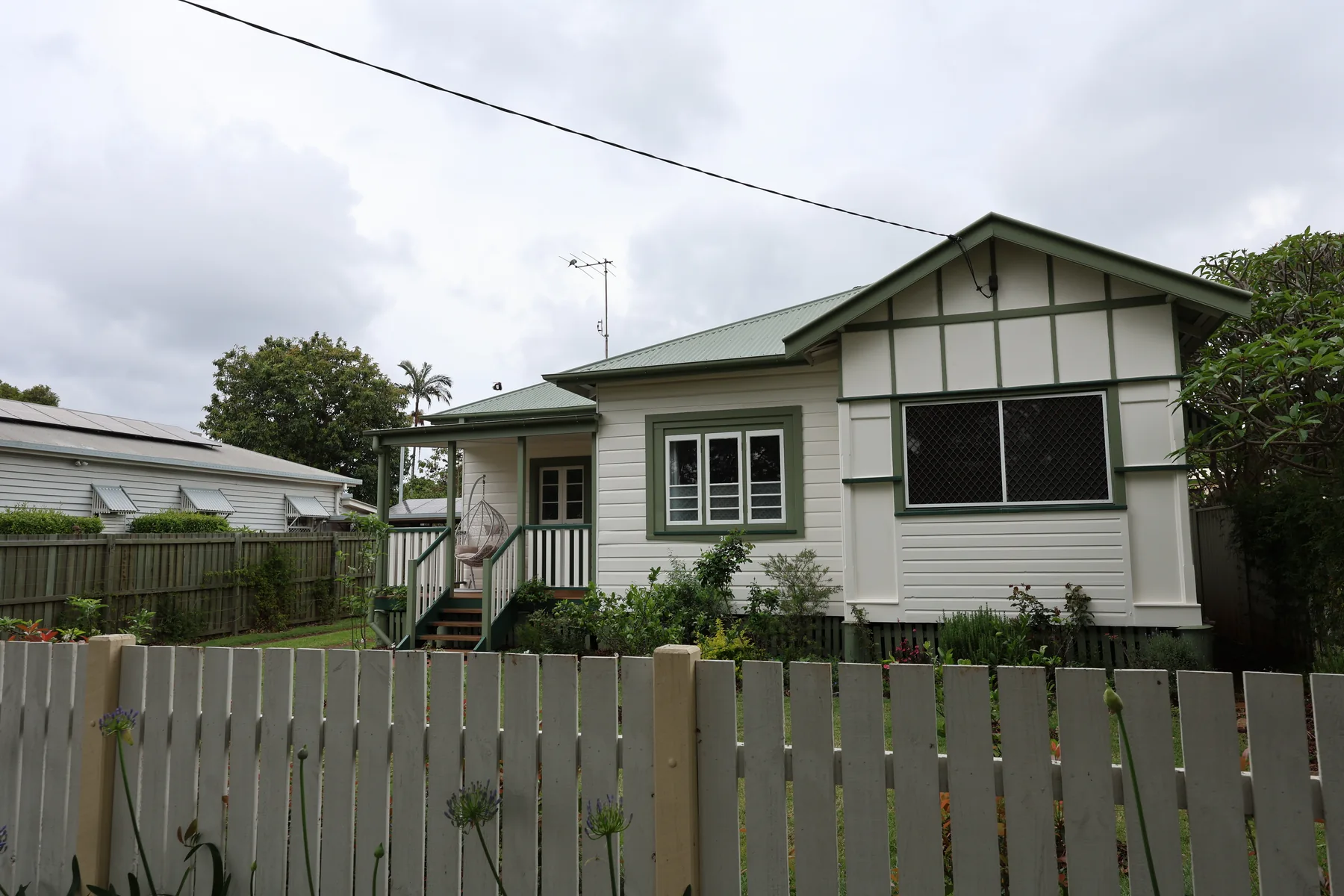
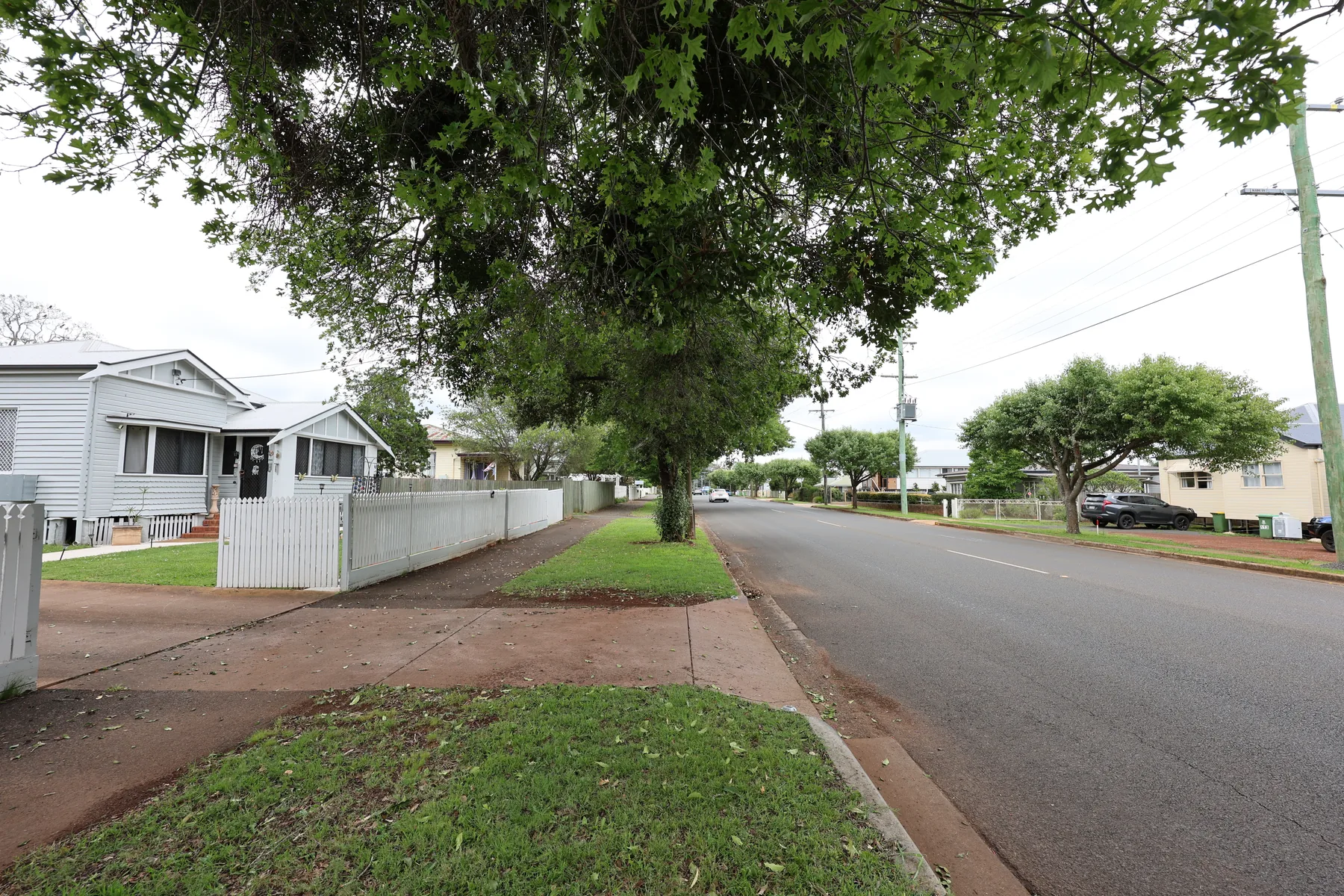
The city’s residential character includes traditional Queenslander homes, heritage cottages, post-war houses and contemporary dwellings. Older neighbourhoods such as East Toowoomba and Newtown contain examples of established housing, while areas including Middle Ridge, Highfields and other developing communities illustrate more recent patterns of residential growth. This variety contributes to differences in housing styles, land sizes and residential environments across Toowoomba.
Toowoomba’s Role as a Regional Centre
Toowoomba’s Role as a Regional Centre
Toowoomba is a major service and employment centre for the Darling Downs and surrounding areas of southern Queensland. Its regional role extends beyond its residential population, with businesses, educational institutions, healthcare facilities, government services and retail centres serving communities throughout the wider region.
The city’s economic activity includes agriculture-related services, construction, manufacturing, logistics, professional services, education and healthcare. These industries contribute to the range of employment opportunities available across Toowoomba and help explain its importance as a residential centre for people working both within the city and in surrounding communities.
Residential Growth and Neighbourhoods in Toowoomba
Residential Growth and Neighbourhoods in Toowoomba
Toowoomba’s residential areas reflect different stages of the city’s development, from established inner-city neighbourhoods to newer housing estates and expanding communities. These differences create a diverse housing market, with variations in dwelling types, property sizes, street layouts and access to local amenities.
Established suburbs such as East Toowoomba, Rangeville, Newtown and South Toowoomba contain a mixture of traditional homes, renovated properties and more recent residential development. Areas such as Middle Ridge and Highfields offer different residential environments, including detached family housing and neighbourhoods developed during more recent periods of growth.
For homeowners researching property values, these local differences are important. Two houses with similar floor areas may have different market values because of their land characteristics, condition, location, nearby services and comparable sales. Understanding the surrounding neighbourhood is therefore an important part of assessing a property’s potential selling price.
Toowoomba Population and Housing Statistics
Understanding Toowoomba’s population and housing characteristics provides useful context for the local property market.
The Australian Bureau of Statistics 2021 Census records population, dwelling types and housing tenure across Toowoomba’s suburbs and surrounding communities. These statistics help explain the different residential characteristics of the areas covered by our property-market analysis.
The information below uses official ABS Census data and is presented separately from the more recent Queensland property sales statistics.
Population and Housing Types
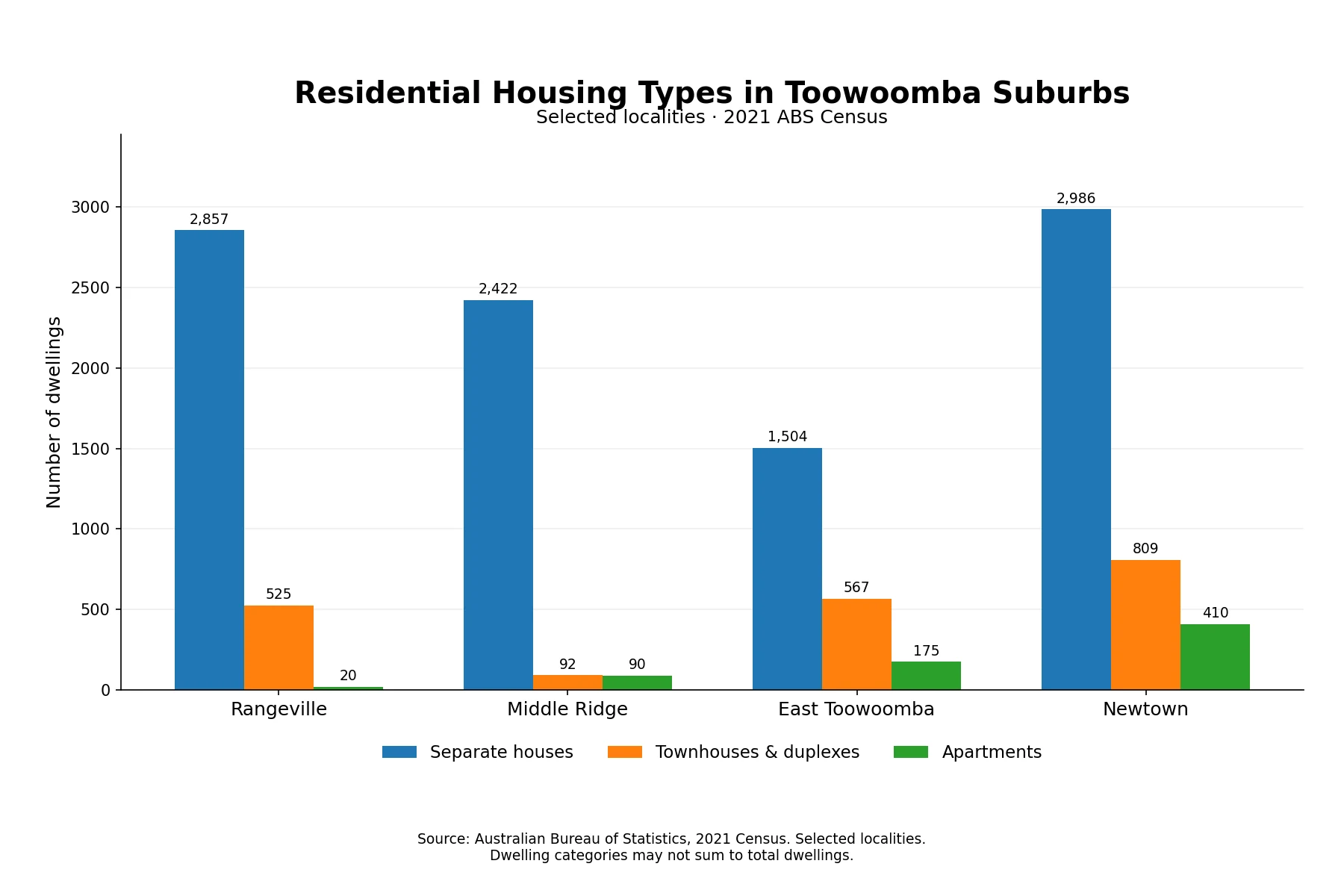
Selected Toowoomba suburbs, 2021 ABS Census.
| Suburb | Population | Total Dwellings | Separate Houses | Townhouses & Duplexes | Apartments |
|---|---|---|---|---|---|
| Newtown (Toowoomba) | 10,039 | 4,674 | 2,986 | 809 | 410 |
| Harristown | 9,081 | 4,068 | 2,598 | 902 | 195 |
| Rangeville | 8,668 | 3,633 | 2,857 | 525 | 20 |
| Middle Ridge | 7,595 | 2,768 | 2,422 | 92 | 90 |
| Centenary Heights | 6,152 | 2,789 | 1,980 | 518 | 66 |
| East Toowoomba | 5,953 | 2,615 | 1,504 | 567 | 175 |
| Wilsonton | 5,891 | 2,788 | 2,012 | 394 | 194 |
| South Toowoomba | 5,512 | 2,620 | 1,628 | 587 | 124 |
| Darling Heights | 5,157 | 1,780 | 1,298 | 133 | 198 |
| Harlaxton | 2,824 | 1,144 | 834 | 171 | 47 |
| Toowoomba City | 2,321 | 1,096 | 480 | 211 | 215 |
Home Ownership and Renting
Housing tenure statistics for the same selected Census localities.
| Suburb | Owned Outright | With Mortgage | Rented |
|---|---|---|---|
| Newtown (Toowoomba) | 1,001 | 1,117 | 1,987 |
| Harristown | 956 | 978 | 1,467 |
| Rangeville | 1,340 | 1,062 | 934 |
| Middle Ridge | 1,149 | 892 | 521 |
| Centenary Heights | 778 | 781 | 960 |
| East Toowoomba | 676 | 585 | 968 |
| Wilsonton | 885 | 648 | 1,009 |
| South Toowoomba | 511 | 646 | 1,143 |
| Darling Heights | 408 | 454 | 713 |
| Harlaxton | 263 | 272 | 499 |
| Toowoomba City | 164 | 166 | 540 |
11 of 11 selected Census localities shown. These figures do not represent the total population or housing stock of the entire Toowoomba city or region.
Source: Australian Bureau of Statistics, 2021 Census. Housing categories and tenure counts reflect the relevant Census classifications and may not sum to total dwellings.
Toowoomba’s suburbs have different housing characteristics, reflecting the variety of residential areas across the city.
According to the 2021 ABS Census, Middle Ridge recorded 2,422 separate houses from 2,768 total dwellings, meaning detached houses represented approximately 87.5% of its recorded dwellings.
In comparison, Toowoomba City recorded 480 separate houses from 1,096 total dwellings, approximately 43.8%. The locality also recorded 215 apartments and 211 townhouses or duplexes.
Housing tenure also varies. Rangeville recorded 1,340 homes owned outright, 1,062 homes with a mortgage and 934 rented homes. South Toowoomba recorded 511 homes owned outright, 646 with a mortgage and 1,143 rented homes.
These differences help describe the types of homes and housing arrangements found across Toowoomba. When considering an individual property’s market value, local sales evidence, property characteristics and the specific location remain essential.
Education, Healthcare and Local Services in Toowoomba
Toowoomba offers a wide range of schools, healthcare facilities, shopping centres and community services that support everyday life across the city and surrounding neighbourhoods. Access to these facilities can be an important consideration for homeowners, buyers and families comparing residential locations.
Schools & Education
Explore Toowoomba’s government and independent schools, tertiary education facilities and training opportunities. School locations and enrolment requirements can be important considerations when comparing residential suburbs.
Hospitals and Healthcare Services
Toowoomba provides a range of public and private healthcare services, including hospitals, medical centres and specialist facilities. Access to healthcare and other essential services can be an important consideration when choosing where to live.
Shopping and Community Services
Toowoomba offers major shopping centres, local retail precincts, supermarkets and community facilities serving residents across the city. Access to shops, everyday services and recreational facilities contributes to the convenience and lifestyle of different residential neighbourhoods.
Schools and Education in Toowoomba
Schools and Education in Toowoomba
Toowoomba has an extensive network of educational facilities, including government primary schools, secondary schools, independent schools, Catholic schools and tertiary education providers. These institutions serve families living throughout the city and surrounding communities, making education an important consideration for people researching different residential neighbourhoods.
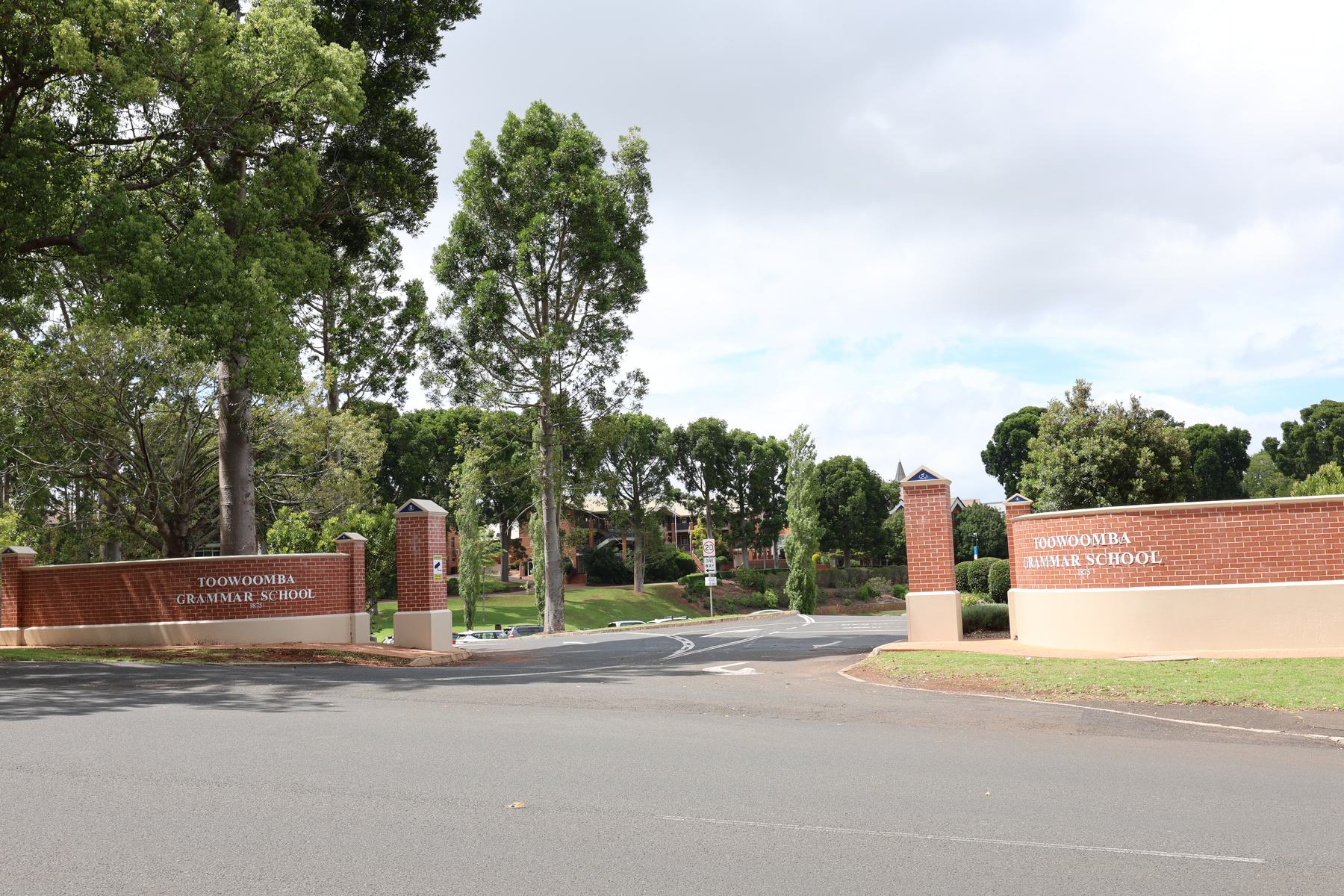
Government secondary schools include Harristown State High School, Centenary Heights State High School, Wilsonton State High School and Toowoomba State High School. Independent and non-government schools include Toowoomba Grammar School, Fairholme College, The Glennie School, Downlands College and Concordia Lutheran College. Families considering a particular suburb should check school locations, current enrolment requirements and applicable catchment boundaries.
For tertiary education and vocational training, the University of Southern Queensland (UniSQ) operates its Toowoomba campus in Darling Heights, while TAFE Queensland has a campus at 100 Bridge Street, East Toowoomba. These institutions provide university and practical training pathways across a range of disciplines and contribute to Toowoomba’s role as an education centre for the wider Darling Downs region.
Hospitals and Healthcare Services in Toowoomba
Hospitals and Healthcare Services in Toowoomba
Toowoomba is an important healthcare centre for the Darling Downs, providing hospital treatment, specialist medical services and community healthcare for residents of the city and surrounding regional communities. The availability of public and private healthcare facilities contributes to the city’s role as a major regional service centre.
Toowoomba Hospital, located on Pechey Street, is operated by Darling Downs Health and serves as a principal public referral hospital for the region. Its services include emergency care, specialist surgery, mental health services, allied health and outpatient clinics. Baillie Henderson Hospital also provides mental health, rehabilitation and support services.
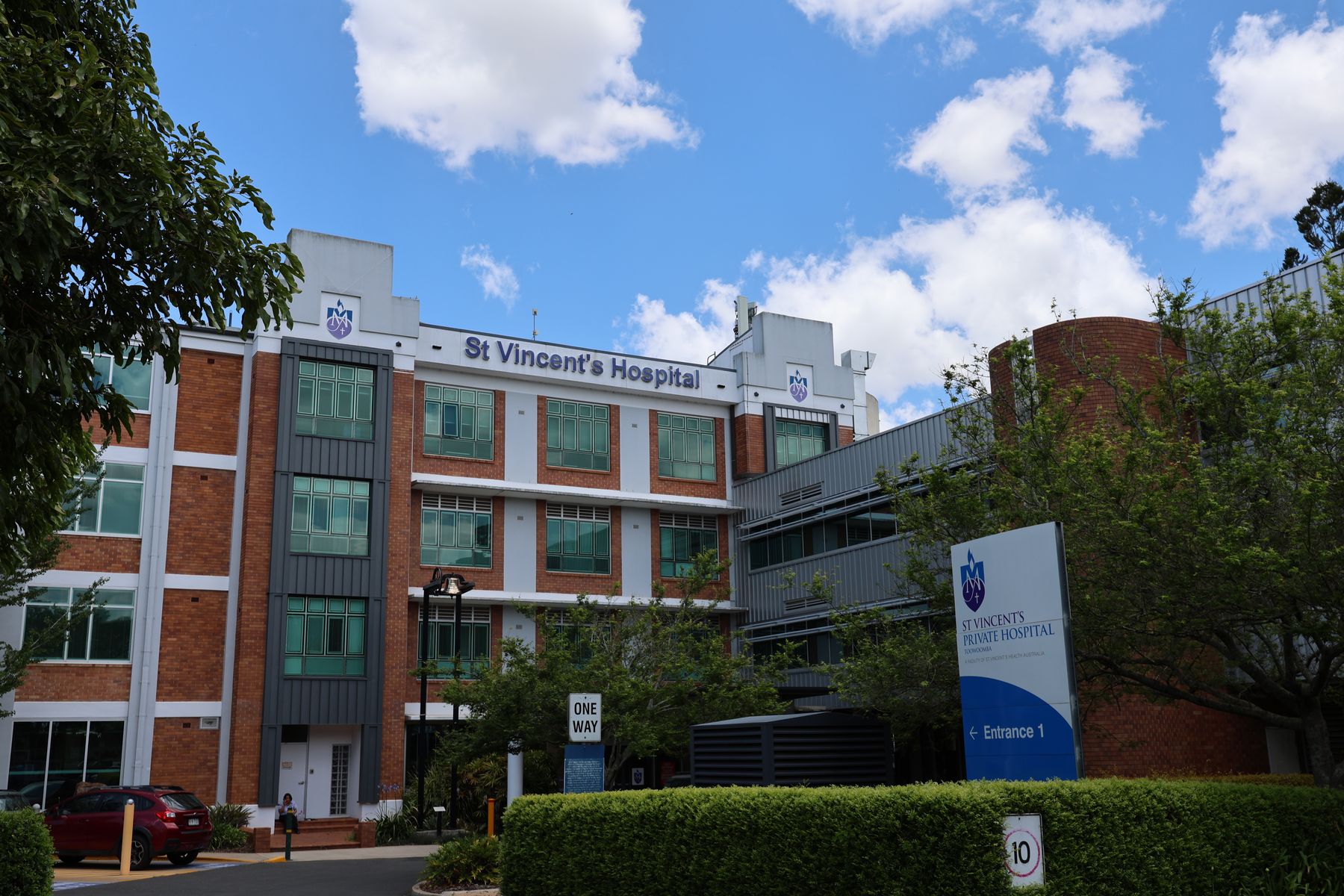
St Vincent’s Private Hospital Toowoomba, located on Scott Street, provides private medical and surgical care across a range of specialties, including orthopaedics, cardiac services, maternity care and oncology. The city also has general practices, specialist consulting rooms, diagnostic imaging providers, allied health services and other healthcare facilities.
A major development for the region is the new Toowoomba Hospital at the Baillie Henderson campus. The Queensland Government’s current project plan includes expanded hospital capacity, additional clinical facilities and supporting infrastructure, with the first stage scheduled for completion in 2029. For residents researching Toowoomba’s neighbourhoods, access to healthcare, transport connections and future infrastructure are useful considerations alongside housing characteristics and local property-market information.
Shopping, Retail and Community Services in Toowoomba
Shopping, Retail and Community Services in Toowoomba
Toowoomba offers a wide range of shopping, retail and community facilities serving residents throughout the city and surrounding Darling Downs communities. Its central business district combines major retail destinations, professional services, hospitality businesses and smaller specialty shops, while suburban shopping centres provide convenient access to everyday necessities.
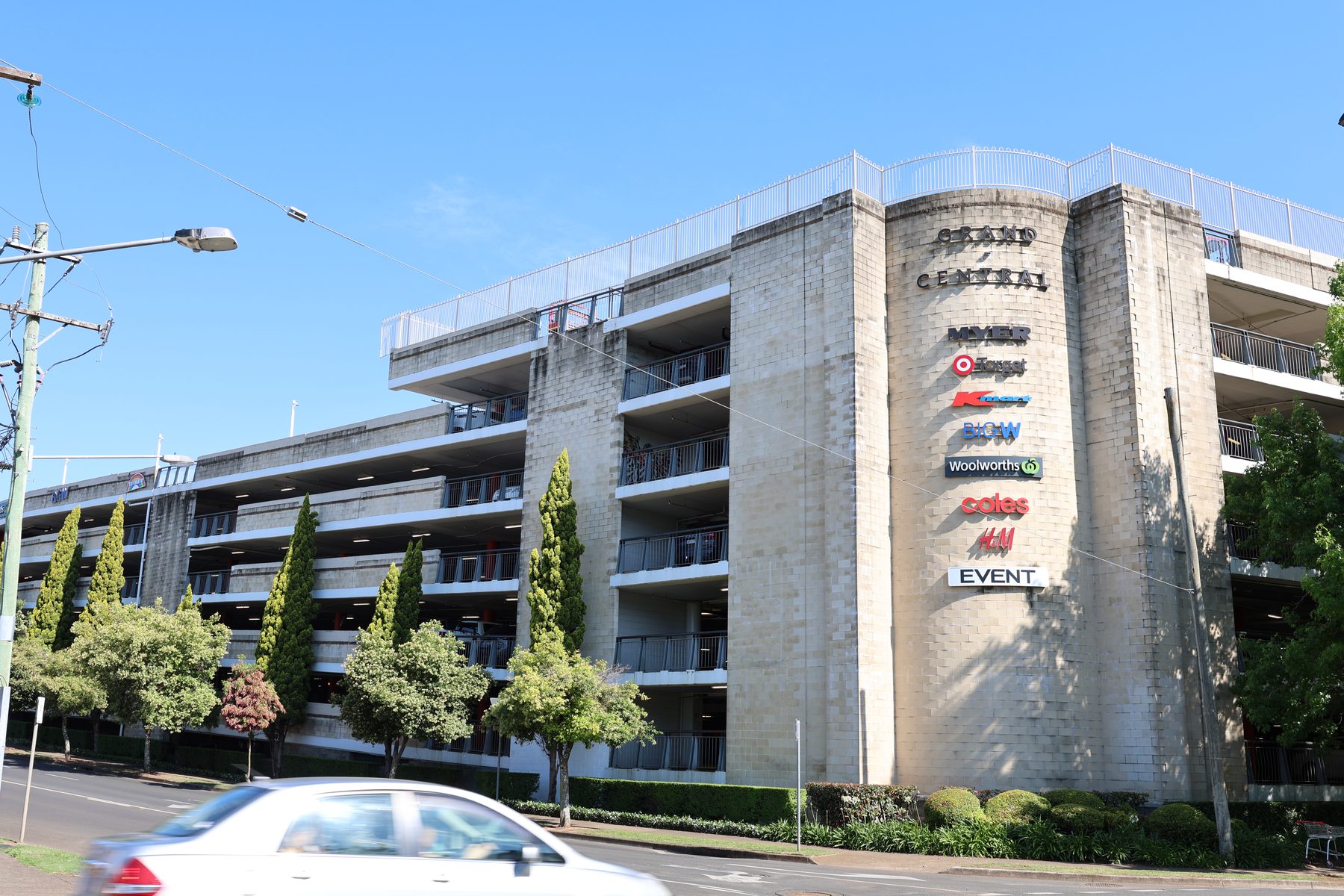
Grand Central Shopping Centre, located in the Toowoomba CBD, is one of the city’s principal retail destinations, with major department stores, supermarkets, specialty retailers, dining and entertainment facilities. Clifford Gardens Shopping Centre, near James Street and Anzac Avenue, provides another significant retail destination, with supermarkets, department stores and a range of specialty services.
Other shopping locations include Toowoomba Plaza in Kearneys Spring, Wilsonton Shopping Centre, Northpoint Shopping Centre and smaller neighbourhood retail centres across the city. These facilities provide supermarkets, pharmacies, takeaway food, personal services and other amenities used by local households.
Community facilities also contribute to everyday life in Toowoomba. Toowoomba Regional Council operates public libraries and offers community spaces, recreational programs and local services. Toowoomba City Library and other regional library branches provide access to reading resources, digital services, community activities and meeting facilities. For homeowners comparing residential areas, the location and accessibility of shopping, healthcare, education and community services can be useful considerations alongside local housing characteristics.
Transport, Employment and Infrastructure in Toowoomba
Road Networks and Regional Connections
Toowoomba occupies an important position within southern Queensland’s road transport network, connecting Brisbane, the Lockyer Valley, the Darling Downs and communities further west. The Warrego Highway provides a major east–west connection, while the New England Highway and Gore Highway link Toowoomba with other regional centres and interstate transport routes.
The Toowoomba Bypass provides an alternative crossing of the Toowoomba Range and is an important route for freight vehicles travelling around the city. The approximately 41-kilometre route connects the Warrego Highway at Helidon Spa with the Gore Highway at Athol, via Charlton. It was developed to improve freight movement, road safety and regional transport efficiency while reducing some heavy-vehicle traffic through Toowoomba’s urban road network.
Within the city, roads including Ruthven Street, James Street, Bridge Street and Anzac Avenue provide access between residential neighbourhoods, shopping areas, employment centres and community facilities. For people comparing Toowoomba suburbs, the accessibility of major roads, local services and everyday travel routes can be an important consideration when choosing where to live.
Public Transport and Regional Travel in Toowoomba
Public transport in Toowoomba includes scheduled bus services, on-demand transport and regional coach connections. The local bus network is coordinated through Translink, with services connecting residential areas, shopping centres, educational institutions and important community facilities throughout the city.
Bus routes serve areas including Middle Ridge, Harlaxton, Wilsonton, Centenary Heights, Highfields and surrounding communities. Toowoomba Bus Station provides a central connection point, while an on-demand service operates in Rangeville and parts of East Toowoomba. Residents should consult current Translink timetables when comparing transport options, as routes and service frequencies differ between neighbourhoods.
For longer-distance travel, Toowoomba is served by regional coach operators and Queensland Rail’s Westlander passenger train, which connects Brisbane with Charleville through the Darling Downs and western Queensland. The Westlander operates a limited regional timetable rather than a frequent metropolitan-style commuter service.
Toowoomba Wellcamp Airport, located west of the urban area, provides another important regional connection. Passenger services include flights to Sydney and destinations in Queensland, with onward connections available through airline networks. The airport also supports aviation-related business, freight and regional economic activity. For households choosing where to live, access to bus routes, major roads and regional travel facilities may influence everyday convenience and commuting arrangements.
Employment and Major Industries in Toowoomba
Toowoomba has a diverse regional economy, providing employment opportunities across healthcare, education, retail, construction, agriculture, manufacturing, transport and professional services. As a major service centre for the Darling Downs, the city supports businesses and organisations serving both local residents and surrounding regional communities.
Healthcare and social assistance is one of Toowoomba’s most significant employment sectors. Hospitals, medical practices, aged care providers, allied health organisations and community support services employ a substantial local workforce. Education and training is another major sector, supported by government and independent schools, the University of Southern Queensland, TAFE Queensland and other educational institutions.
Agriculture remains important to the broader Darling Downs economy, with Toowoomba providing agricultural machinery, transport, processing, financial, technical and professional services to surrounding farming communities. Manufacturing businesses operate across industries including food processing, engineering, agricultural equipment and transport-related products. Construction and infrastructure projects also support employment across building trades, engineering and associated services.
Retail, hospitality, government administration, logistics and professional services provide further employment opportunities throughout the city. Major commercial areas, educational institutions, healthcare facilities and industrial precincts help shape the distribution of workplaces across Toowoomba. For people considering different residential neighbourhoods, proximity to employment centres, commuting routes and everyday services can be useful factors when comparing locations.
Infrastructure and Future Development in Toowoomba
Infrastructure development plays an important role in Toowoomba’s position as a regional residential, commercial and employment centre. Investment in hospitals, transport connections, industrial facilities and essential services supports the city’s ability to serve surrounding communities throughout the Darling Downs.
One of the region’s major infrastructure projects is the new Toowoomba Hospital at the Baillie Henderson campus. The project includes a new main hospital building with at least 538 overnight beds, an 84-bed acute mental health facility, outpatient and diagnostic services, supporting infrastructure and the refurbishment of heritage buildings. Construction is underway, with the first stage scheduled to open to patients in 2029.
Freight transport and logistics infrastructure is another important area of development. The existing Toowoomba Bypass and Toowoomba Wellcamp Airport support regional connectivity, while the proposed Inland Rail freight network could provide additional transport connections in the future. The planned Gowrie to Helidon section includes a railway through the Toowoomba Range and a tunnel approximately 6.2 kilometres long. This section remains in the planning and environmental assessment process, with construction timing yet to be confirmed.
Infrastructure investment can influence how communities develop, where businesses establish operations and how residents access services and employment. However, proposed projects should be distinguished from completed facilities, and future infrastructure investment should not be treated as a guarantee of rising property values. Homeowners considering a property appraisal should rely on current local sales evidence, property characteristics and established market conditions.
Climate, Parks, Environment and Heritage in Toowoomba
Toowoomba’s Climate and Seasonal Conditions
Toowoomba’s Climate and Seasonal Conditions
Toowoomba’s position on the Great Dividing Range gives it a distinctive climate compared with many lower-lying areas of Queensland. With much of the urban area situated around 700 metres above sea level, the city generally experiences cooler conditions than Brisbane and other nearby coastal communities.
Toowoomba experiences warm summers, cool winters and noticeable seasonal changes. Summer brings warmer temperatures and a greater proportion of the city’s annual rainfall, while winter is generally cooler and drier. Cold mornings, occasional frosts and changing seasonal conditions contribute to the city’s distinctive environment.
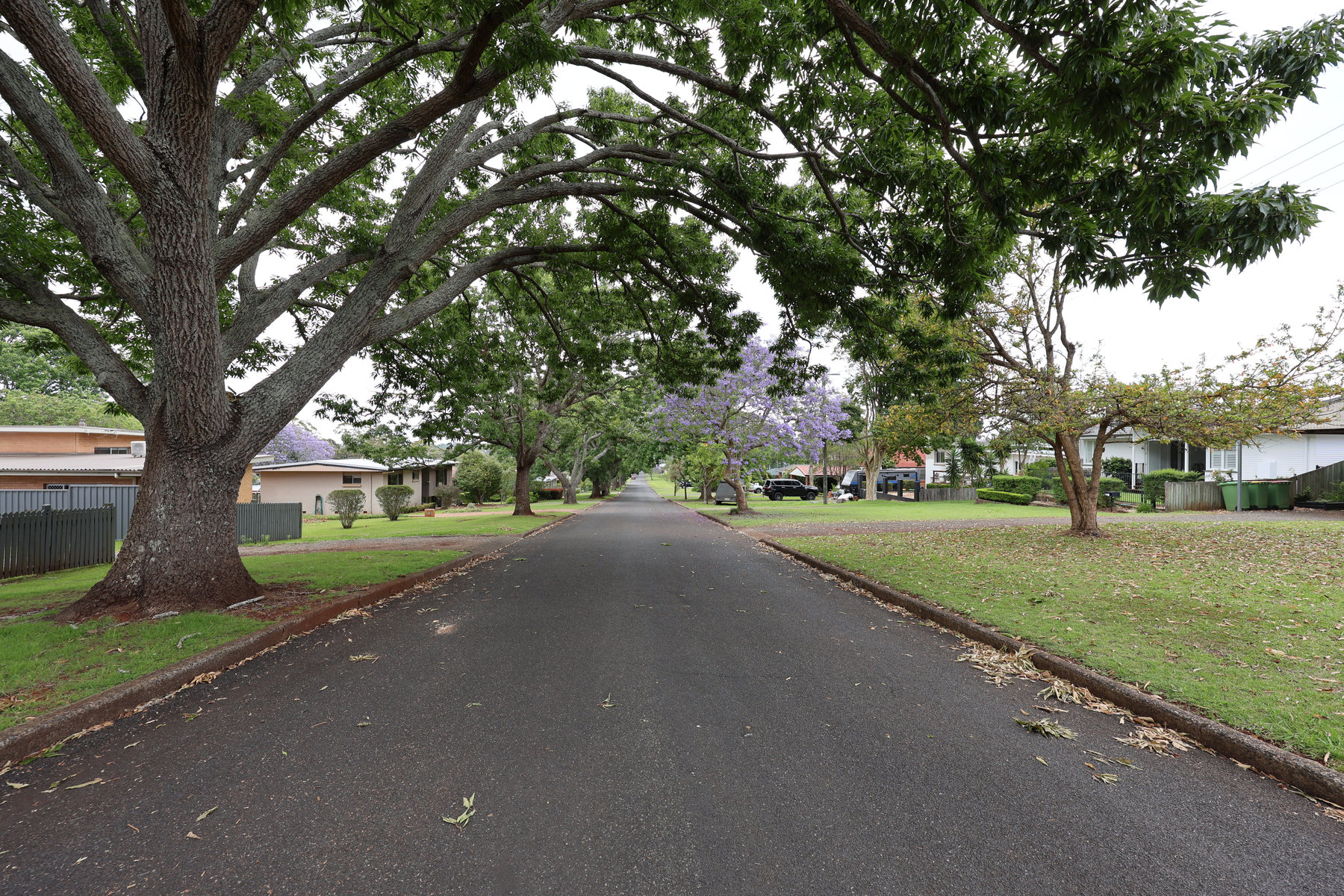
The cooler climate and established garden culture are important parts of Toowoomba’s identity as Queensland’s Garden City. Mature street trees, public gardens, landscaped residential properties and seasonal flowering displays contribute to the appearance of many established neighbourhoods.
Climate and local environmental conditions are also relevant when assessing residential property characteristics. Factors such as elevation, slope, drainage, exposure to prevailing weather, vegetation and the condition of buildings can differ between properties and neighbourhoods. Homeowners considering a property appraisal should assess these characteristics alongside land size, building condition, location and recent comparable sales.
Parks, Gardens and Outdoor Recreation in Toowoomba
Parks, Gardens and Outdoor Recreation in Toowoomba
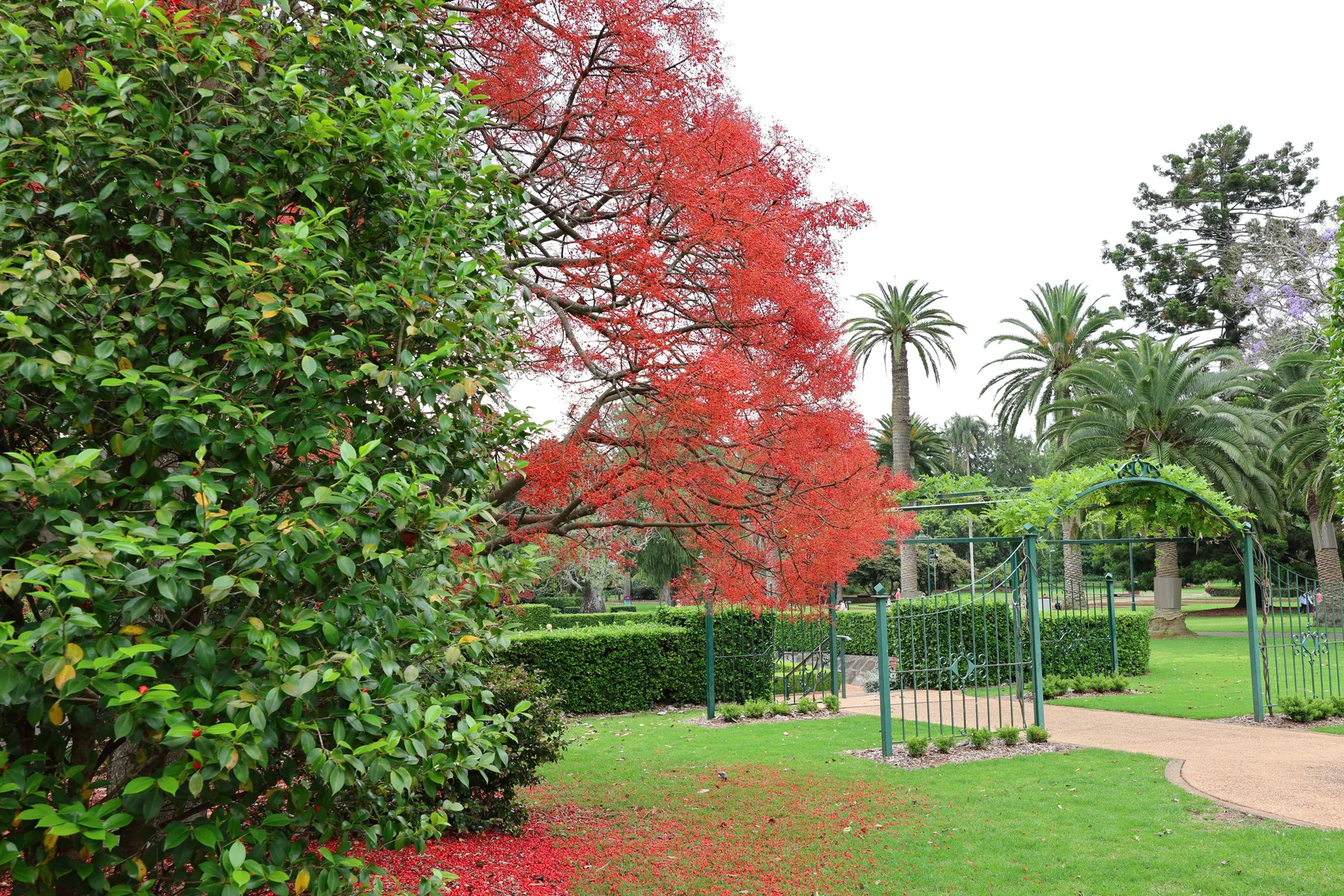
Toowoomba is widely recognised as Queensland’s Garden City, with established public parks, botanical gardens, tree-lined streets and recreational spaces forming an important part of its local character. These outdoor areas provide opportunities for walking, family activities, community events and relaxation, while contributing to the distinctive appearance of many residential neighbourhoods.
Queens Park, located near the Toowoomba CBD and East Toowoomba, is one of the city’s best-known public spaces. Covering more than 25 hectares, it includes botanical gardens, mature trees, open lawns, sporting areas, playgrounds and picnic facilities. The park is also an important location for events associated with the annual Toowoomba Carnival of Flowers.
Laurel Bank Park, close to the city centre, features landscaped gardens, seasonal flower displays, mature trees and scented gardens designed with accessibility in mind. The park also provides picnic areas, children’s play facilities and recreational spaces. Its changing floral displays are particularly popular during Toowoomba’s spring flowering season.
Picnic Point Parklands, situated along the eastern escarpment near Rangeville, provides panoramic views towards the Lockyer Valley and Table Top Mountain. The parklands include scenic lookouts, walking trails, picnic facilities, playgrounds and landscaped gardens. The area’s elevated location and natural scenery make it a distinctive recreational destination within Toowoomba.
The Japanese Garden, known as Ju Raku En, is located beside the University of Southern Queensland’s Toowoomba campus in Darling Heights. Opened in 1989, the garden covers more than three hectares and features landscaped walking paths, a central lake, traditional bridges and Japanese and Australian plant species. Together with neighbourhood parks, sporting grounds and other public open spaces, these destinations provide a wide range of recreational opportunities for residents across the city.
Heritage, Culture and Community Events in Toowoomba
Heritage, Culture and Community Events in Toowoomba
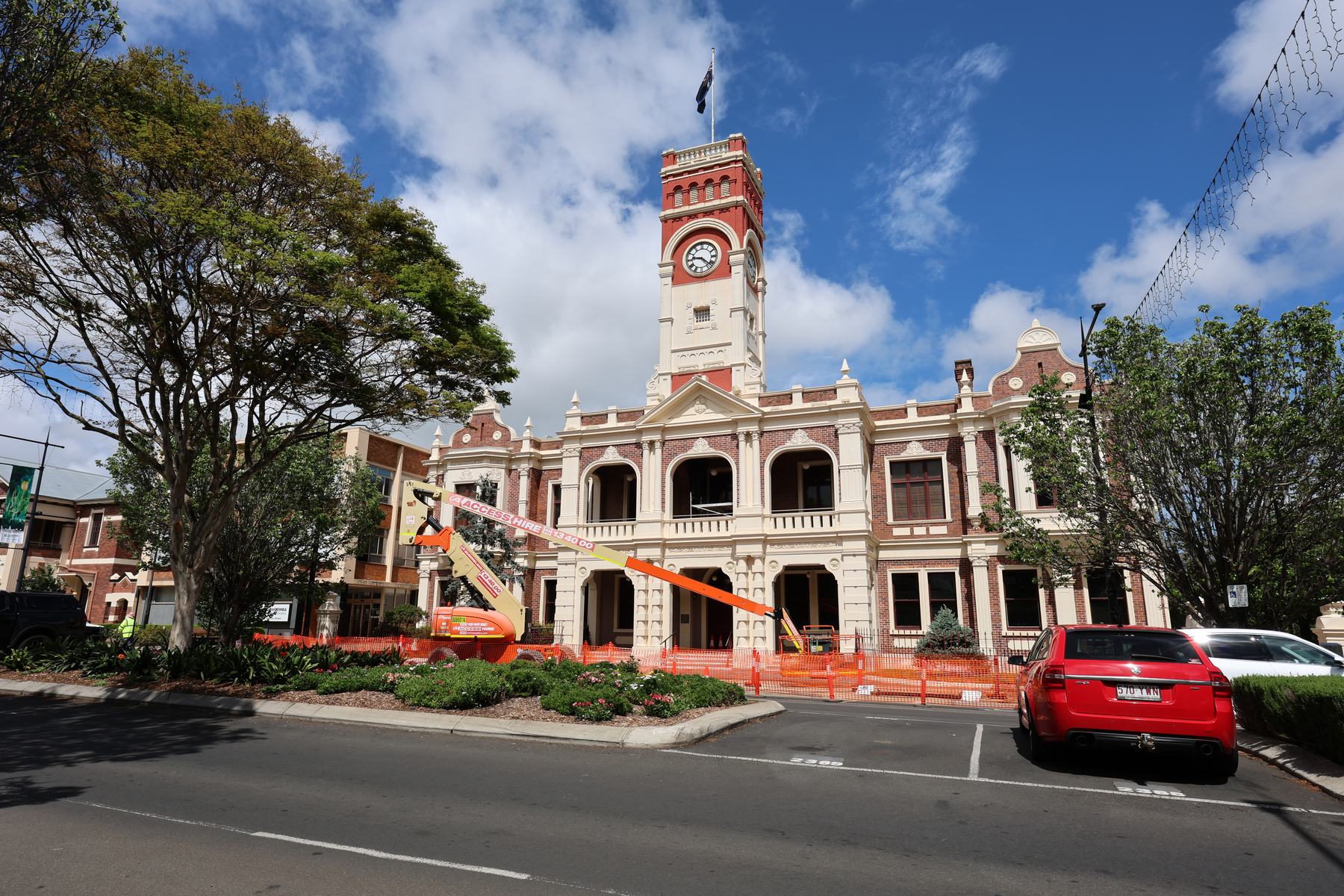
Toowoomba has a distinctive cultural and architectural heritage reflecting its development as a major regional centre in southern Queensland. Its history extends well before European settlement, with Aboriginal peoples maintaining longstanding connections to the land and surrounding region. Historic commercial buildings, traditional houses, churches, public institutions and established streetscapes also contribute to the city’s identity.
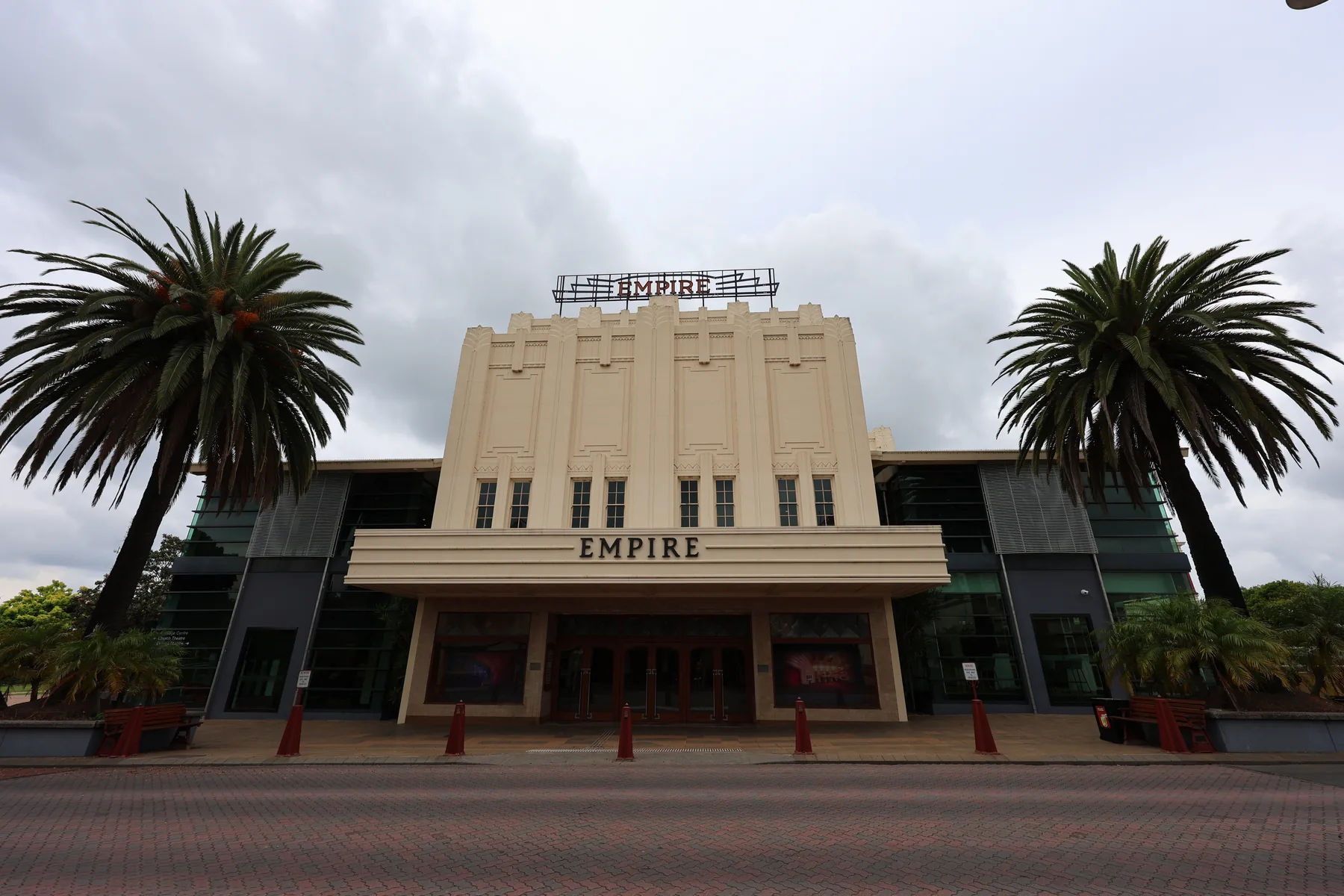
The Toowoomba CBD contains a range of historically significant buildings, including City Hall and the Empire Theatre. Originally built in 1911, the Empire Theatre was rebuilt in the Art Deco style in 1933 following a fire and restored as a performing arts venue in 1997. Today, it hosts theatre productions, concerts and other cultural performances for audiences throughout the Darling Downs.
Queensland Museum Cobb+Co, located on Lindsay Street near Queens Park, explores the history of transport and regional life. Its National Carriage Collection contains more than 50 horse-drawn vehicles, including coaches, buggies, wagons and carriages. Toowoomba Regional Art Gallery, established in 1937, is another important cultural institution, presenting exhibitions and contributing to the city’s artistic and historical heritage.
The annual Toowoomba Carnival of Flowers is one of the city’s best-known community events. First held in 1950, the festival grew from an initiative developed in 1949 to encourage economic activity and community spirit following the Second World War. It celebrates Toowoomba’s gardens and spring flowering season through floral displays, garden visits, entertainment and community activities.
Historic neighbourhoods, cultural institutions and community events contribute to Toowoomba’s local identity and the experiences available to residents. For people researching different suburbs, heritage streetscapes, community facilities and access to cultural attractions may form part of their broader assessment of a neighbourhood. Heritage characteristics can also be relevant when considering property maintenance, renovations and applicable planning requirements.
Understanding House Valuations in Toowoomba
What Influences House Values in Toowoomba?
Residential property values in Toowoomba are influenced by a combination of location, land characteristics, dwelling type, building condition and current market activity. Although suburb and regional median sale prices provide useful background information, individual properties need to be assessed against comparable homes and their specific characteristics.
Land size, usable outdoor space, frontage, slope and property access can all influence how buyers assess a residential property. The arrangement of the dwelling on the block, availability of off-street parking, outdoor entertaining areas and potential for improvements may also contribute to its appeal. These characteristics can vary considerably between Toowoomba’s established neighbourhoods and newer residential estates.
The condition, age, layout and quality of a house are also important considerations. Renovated kitchens and bathrooms, practical floor plans, additional living spaces, energy efficiency and the general standard of maintenance may affect buyer preferences. However, the cost of improvements does not necessarily translate into an equivalent increase in market value.
Location remains an important consideration when comparing residential properties. Access to schools, shopping centres, healthcare facilities, employment areas, public transport and recreational spaces can influence buyer preferences. Within individual suburbs, differences in street character, traffic, neighbouring properties, elevation and environmental conditions may also affect how otherwise similar houses are assessed.
How Comparable Property Sales Are Used in a House Appraisal
Recent comparable property sales are an important source of evidence when estimating the likely selling price of a residential property. Real estate agents examine properties that have sold in the same suburb or nearby areas, looking for similarities in dwelling type, land size, accommodation, condition and location.
A comparable sale is generally most useful when the property shares important characteristics with the home being assessed. For example, a four-bedroom detached house on a large residential block may not be directly comparable with a smaller townhouse or an older dwelling requiring substantial renovation. Differences in building quality, layout, parking, outdoor space and property improvements must also be considered.
The timing of comparable sales is another important factor. More recent transactions may provide stronger evidence of current buyer activity, particularly when market conditions are changing. However, the most recent sale is not necessarily the most relevant. Agents may need to consider older transactions when suitable comparable properties have not sold recently, while accounting for changes in market conditions.
In Toowoomba, differences between established neighbourhoods, newer residential estates and surrounding communities can make local comparisons particularly important. Property characteristics, nearby amenities, street conditions and buyer preferences may vary within a suburb as well as between suburbs. An appraisal therefore requires more detailed investigation than simply applying a suburb-wide median price.
The regional median house prices displayed on this website provide useful information about broader property-market activity. However, a median represents the middle sale price within a group of transactions, not the estimated value of an individual home. A local real estate agent can examine relevant comparable sales, inspect the property and consider current market conditions when preparing an appraisal of its likely selling price.
The Difference Between a House Appraisal and a Formal Property Valuation
The terms house appraisal and property valuation are often used interchangeably, but they describe different services. Understanding the distinction is important for Toowoomba homeowners who want to estimate their property’s likely selling price or require a formal assessment for financial or legal purposes.
A real estate market appraisal is an estimate of the price a property may achieve if offered for sale under current market conditions. A local real estate agent generally considers recent comparable sales, the property’s condition and features, its location and current buyer demand. Market appraisals are commonly offered free of charge and can help homeowners decide whether to sell or explore their available options.
A formal property valuation is undertaken by an appropriately registered property valuer. In Queensland, valuers must be registered under the Valuers Registration Act 1992. A formal valuation generally involves a documented assessment of the property, relevant market evidence and the reasoning supporting the valuer’s opinion. Depending on its intended purpose, it may be used for lending, legal proceedings, taxation or other financial matters.
An agent’s market appraisal is not a substitute for a formal valuation where a registered valuer’s report is required. It is also important to recognise that an appraisal is an estimate rather than a guarantee of the property’s eventual selling price. Actual sale results depend on buyer interest, market conditions, negotiations and the individual property.
RealEstateLot provides homeowners with information about the Toowoomba property market and the opportunity to request a free house appraisal from a participating local real estate professional. The service is intended to help homeowners understand their property’s potential selling price. It does not provide a formal valuation report prepared by a registered property valuer.
House Valuations by Toowoomba Suburb
Property values can differ significantly between Toowoomba’s suburbs. Local housing characteristics, property sizes, neighbourhood amenities and recent comparable sales can all influence the likely selling price of a home.
Explore our suburb-specific house valuation guides to view local Census information, regional property-market statistics and other useful details about residential areas across Toowoomba.
Select your suburb below to learn more about the local property market and how to request a property appraisal.
Request a Free House Appraisal in Toowoomba
Thinking about selling your Toowoomba property or simply curious about its current market value?
Complete the form below to request a property appraisal from a participating local real estate professional. Your property details will help the agent understand your enquiry and arrange the appropriate next steps.
An agent’s market appraisal is an estimate of a property’s likely selling price and is not a formal valuation by a registered valuer.
If you’re considering selling your property, requesting a house valuation Toowoomba homeowners can use as a starting point may help you understand current local market conditions. Complete the form below to request a free property appraisal from a participating local real estate agent.